

Pentest from scratch: penetration testing methodology
Red TeamPenetration testing from scratch: rules of engagement, reconnaissance, hypotheses and evidence, risk assessment, reporting and retesting. All modules are free.
What you will produce
- An assessment plan with scope and stop conditions
- An evidence-based report with limitations and a retest plan
Prerequisites
- Networking Basics and Network Security
- Linux for beginners: terminal, Bash and security
- Active Directory fundamentals: domain, LDAP, Kerberos and GPO
Or equivalent skills: Read an HTTP request and event excerpt; explain file permissions and domain authentication..
Practice labs for this course
Browse all labs- Friday’s signed audit scope
- Which report should reach the account owner?
- Find the first detection after deduplication
The labs are in Russian. To open the exercise files, sign in with an account assigned to the corresponding corporate programme.
Course modules
8 modules · 17 hours01Pentest rules of engagement, scope, and reconnaissance planningFree
Rules of engagement, scope, and reconnaissance planning — a worked training artifact, exercise, and review criteria.
Rules of engagement, scope, and reconnaissance planningTheoryKnowledge checks2 hoursOpen module02Infrastructure hypotheses and evidence chainsFree
Infrastructure hypotheses and evidence chains — a worked training artifact, exercise, and review criteria.
Infrastructure hypotheses and evidence chainsTheoryKnowledge checks2 hoursOpen module03Web hypotheses: objects, operations, and trustFree
Web hypotheses: objects, operations, and trust — a worked training artifact, exercise, and review criteria.
Web hypotheses: objects, operations, and trustTheoryKnowledge checks2 hoursOpen module04Cloud assessment and shared responsibility boundariesFree
Cloud assessment and shared responsibility boundaries — a worked training artifact, exercise, and review criteria.
Cloud assessment and shared responsibility boundariesTheoryKnowledge checks2 hoursOpen module05Reporting, limitations, and independent retestingFree
Reporting, limitations, and independent retesting — a worked training artifact, exercise, and review criteria.
Reporting, limitations, and independent retestingTheoryKnowledge checks4 hoursOpen module06Initial access: phishing, vishing and application identitiesFree
Correlate identity, application and owner records, then distinguish a service read from a reported call.
Initial access: phishing, vishing and application identitiesTheoryKnowledge checks90 minutesOpen module07Wi-Fi and contractor access: checking the boundariesFree
Use controller records, gateway decisions and the owner's approval to distinguish a visible network from an authorised maintenance session.
Guest segmentationLimits of wireless observationsContractor authorisationTheoryKnowledge checks2 hoursOpen module08Initial access through a supplier: verifying authorisation boundariesFree
Read two Russian investigations, verify a contractor's access and establish the delivery evidence for a particular software release.
Supplier accessRelease assuranceEvidence and remediation testingTheoryKnowledge checks2 hoursOpen module
Sources and documentation
All foundations are open. Learn without an account and sign in to save results.
About this course
Penetration testing from scratch: rules of engagement, reconnaissance, hypotheses and evidence, risk assessment, reporting and retesting. All modules are free.
What you will learn
- Методология пентеста
- Разведка и OSINT
- Атаки на Active Directory
- Web-уязвимости OWASP
- Отчётность
Who this course is for
For anyone looking to build skills in this field and apply them at work. Explore the first module to see the level and learning format.
How you will learn
Work through the modules: study a case, complete the exercise, check your understanding and save your progress. The first module is open without an account.
Choose what you want to do next
First compare your work with the course exercises. Then try the free introductory module of your next topic and check its prerequisites.
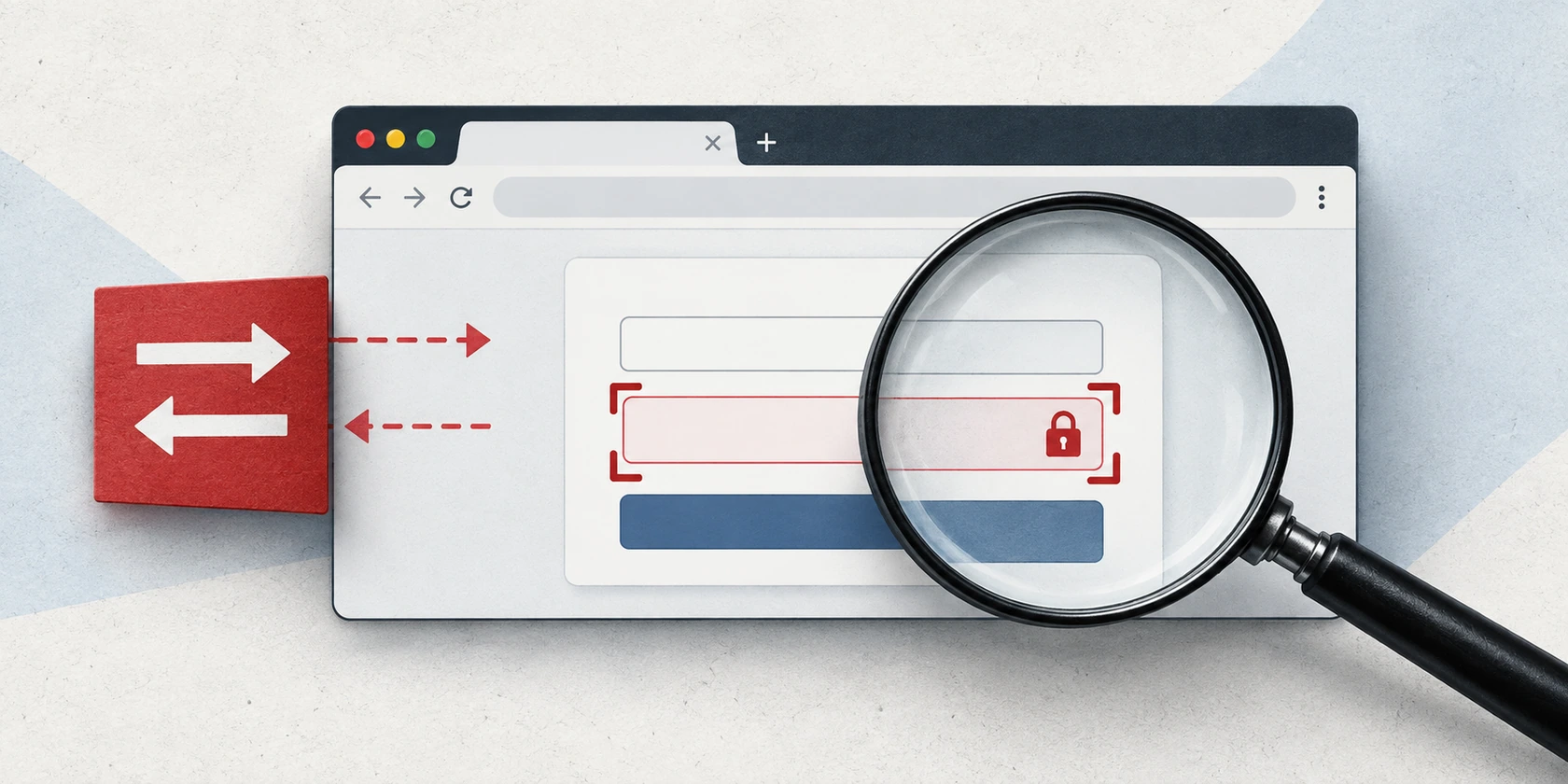
Web pentesting: web application vulnerabilities across the OWASP Top 10
All A01–A10:2025 mapped with evidence limits
Try the free module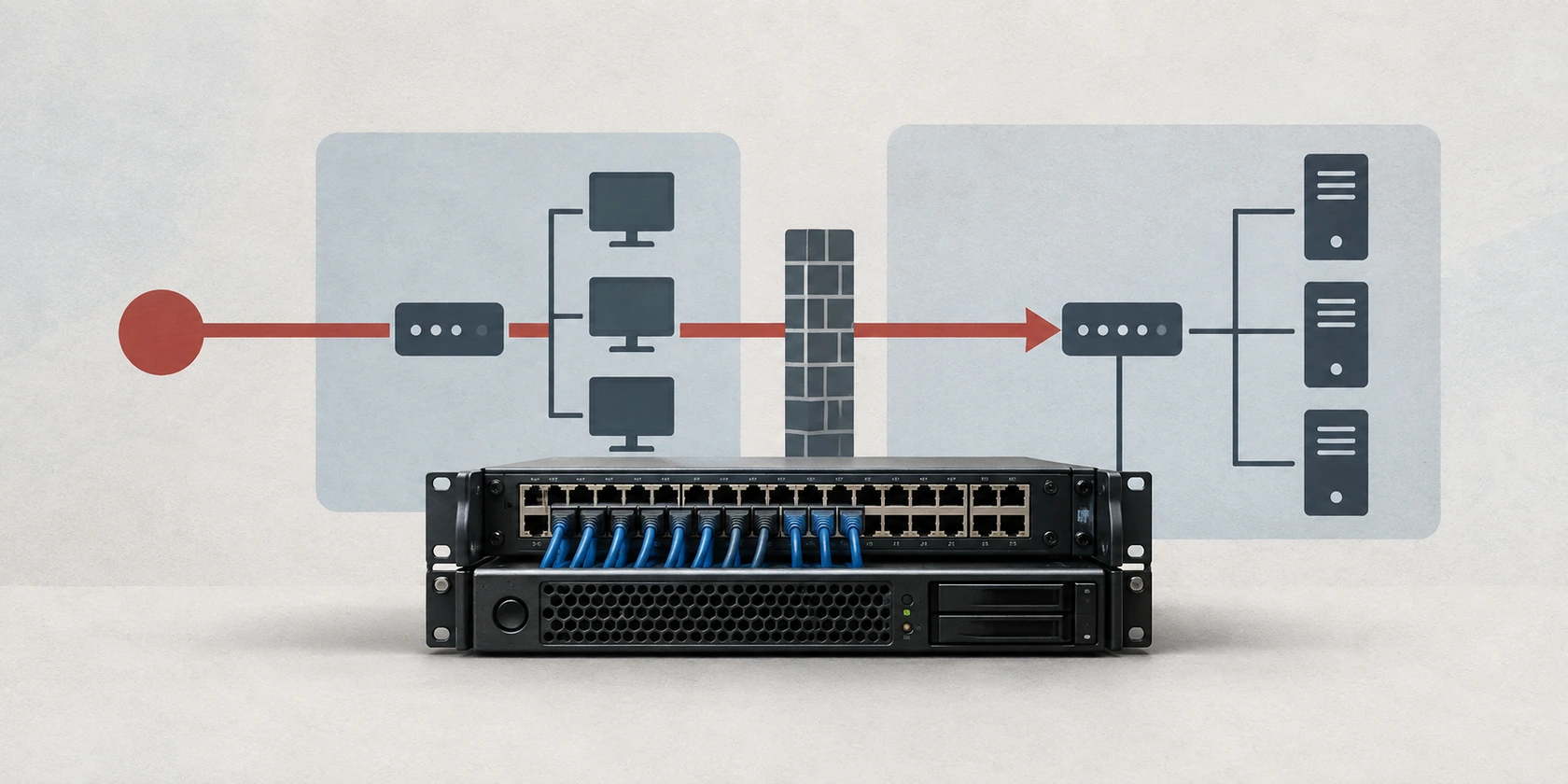
Infrastructure pentesting and network security audit
Assigned-VM and service inventory with commands, times, and versions.
Try the free module
Phishing templates: developing inert specimens and static checks
Specify a specimen contract
Try the free module
ClickFix: building an event replay and evaluating coverage
Bound a finding by its source
Try the free module